
Recent Posts
- Human-in-the-Loop: Data Quality for AI
- The Cold Start Problem: Why Prospects Need Their Own Propensity Model
- Generative Engine Optimization (GEO) for Marketing Impact
- From Score to Action: Operationalizing Pipeline Intelligence — Pipeline Optimization Part 3
- Data Is Noisy: How Machine Learning Solves the “Garbage In, Garbage Out” Problem
About the Author
Mike is a leader in the field of Marketing Data Science & Operational Strategy with 20+ years leading global Data Science, AI/ML, and Marketing Analytics teams at Dell Technologies, Cisco, Pure Storage, Hitachi Vantara and Hearst Media. He is also an Accredited Professional StatisticianTM with the American Statistical Association.
Category: Marketing Data Science
-

Why data quality still decides whether AI can be trusted: EDA, data dictionaries, and confirming a correction before trusting the numbers.
-
A blended model hides the prospect gap. Splitting customers from prospects reveals a gap nine times larger, and why prospects need their own model.
-

How generative engine optimization changes content discovery, and what marketers can do so AI assistants find and cite their work.
-

Part 3: turning purchase-likelihood and segmentation models into a production revenue engine, with leakage audits, GTM thresholds, and forecast impact.
-

Why waiting for perfect data costs more than noisy data, and how machine learning handles “garbage in, garbage out.” From my conversation with Nav Thethi.
-
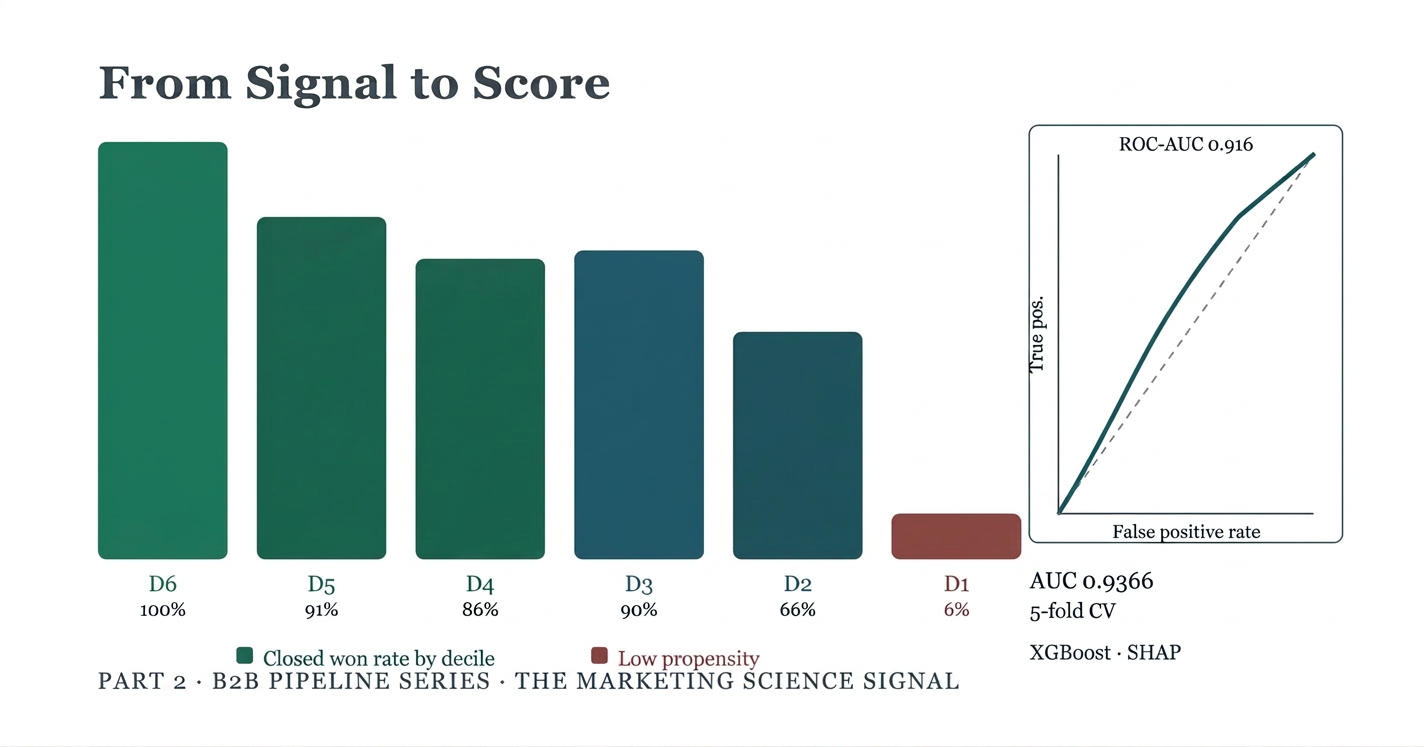
Part 2: building a propensity model that predicts Closed Won from B2B Salesforce pipeline data, and using the score to prioritize deals.
-
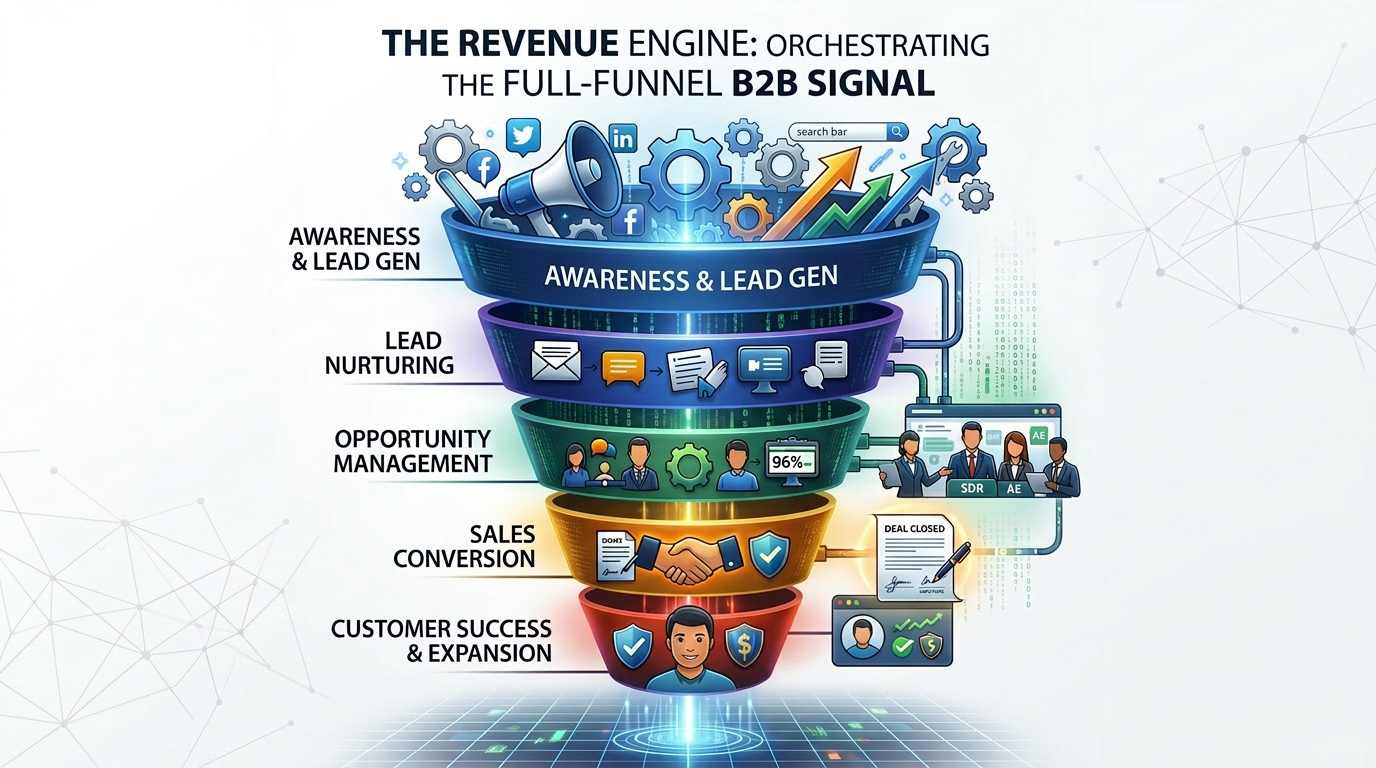
Part 1: a statistical framework for B2B pipeline health, using funnel conversion, deal velocity, and RFM to see up to three quarters ahead.
-

How look-alike behavior solves the discovery problem in B2B and B2C cross-sell. Part 3 of my recommender systems series.
-
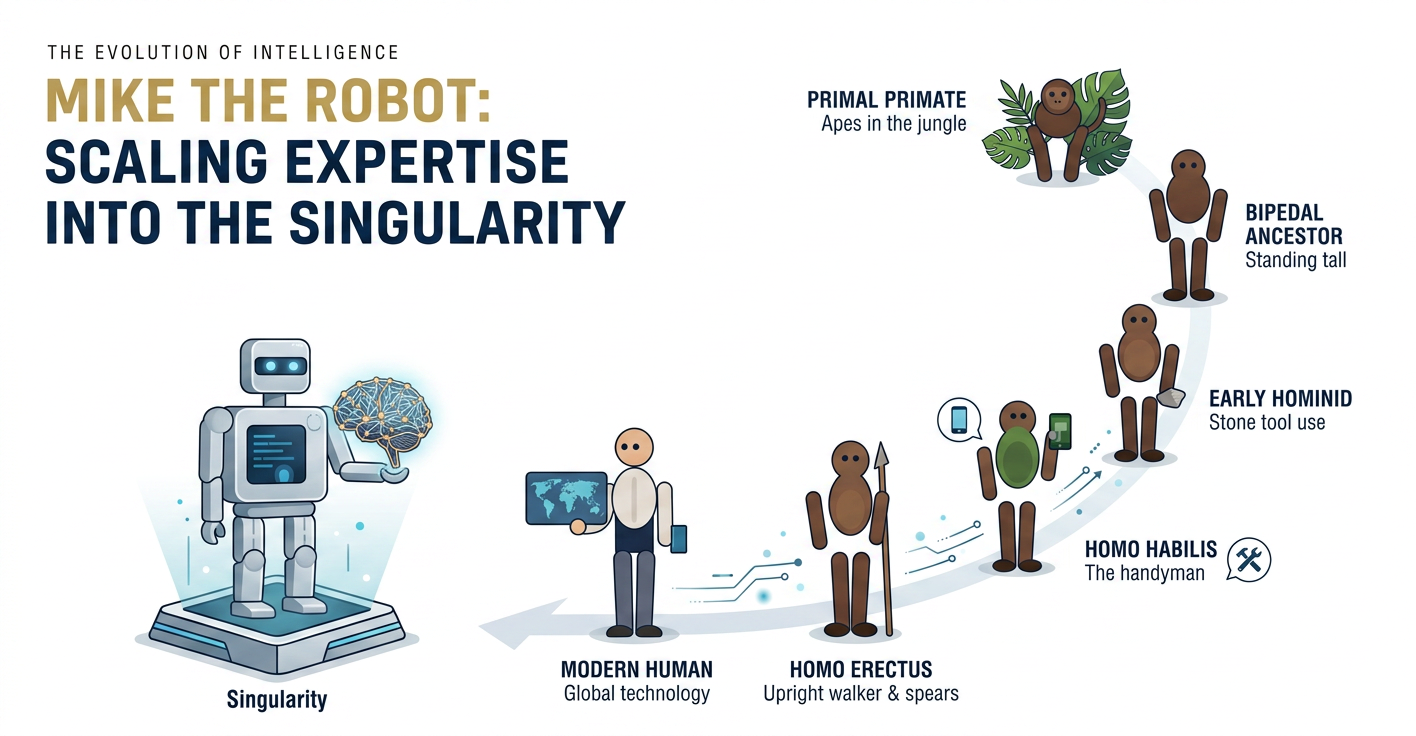
Building an AI agent that extends my marketing methodology, moving from competing with agentic AI to integrating it as scalable staff.
-

Modeling the customer journey with Markov chains to predict the next likely purchase from the current state. Part 2 of my recommender systems series.
-

Association rules for cross-sell, moving high-potential customers toward Champions. Part 1 of my recommender systems series.
-

I pitted a Gemini-based AI agent against my own reading of an XGBoost propensity model. AI won on scale; human judgment won on context.
-

Combining field sales expert opinion with statistical and deep learning ensembles for more accurate B2B revenue forecasts.
-
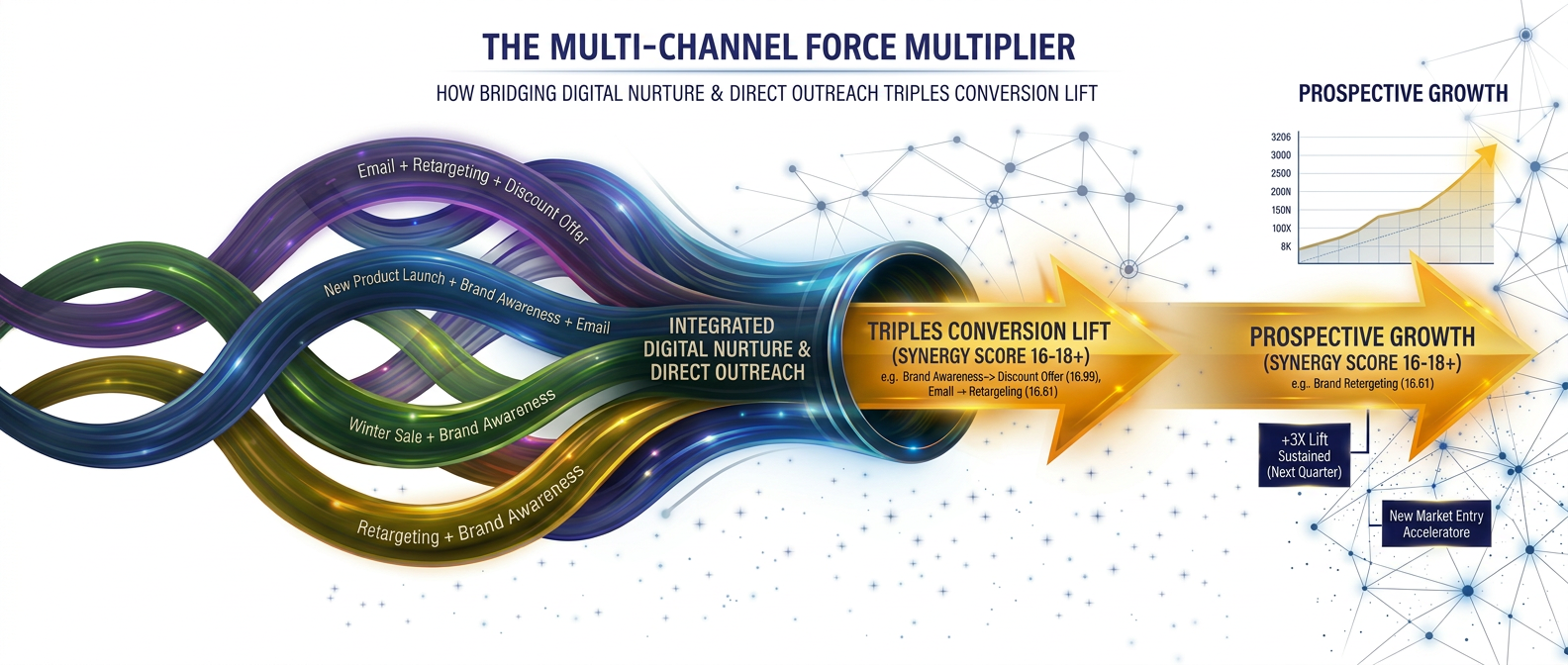
How coordinating digital nurture with direct outreach triples conversion lift, going beyond the old “3+ exposures” rule.
-

A framework for B2B contact targeting: when contact-level data matters, and how to build personas beneath the account model.
-

Using XGBoost and survival analysis on the IBM Telco dataset to identify at-risk customers and predict when they will churn.
-

Moving beyond RFM to predictive customer lifetime value, using segmentation and propensity scores as inputs for account prioritization.
-

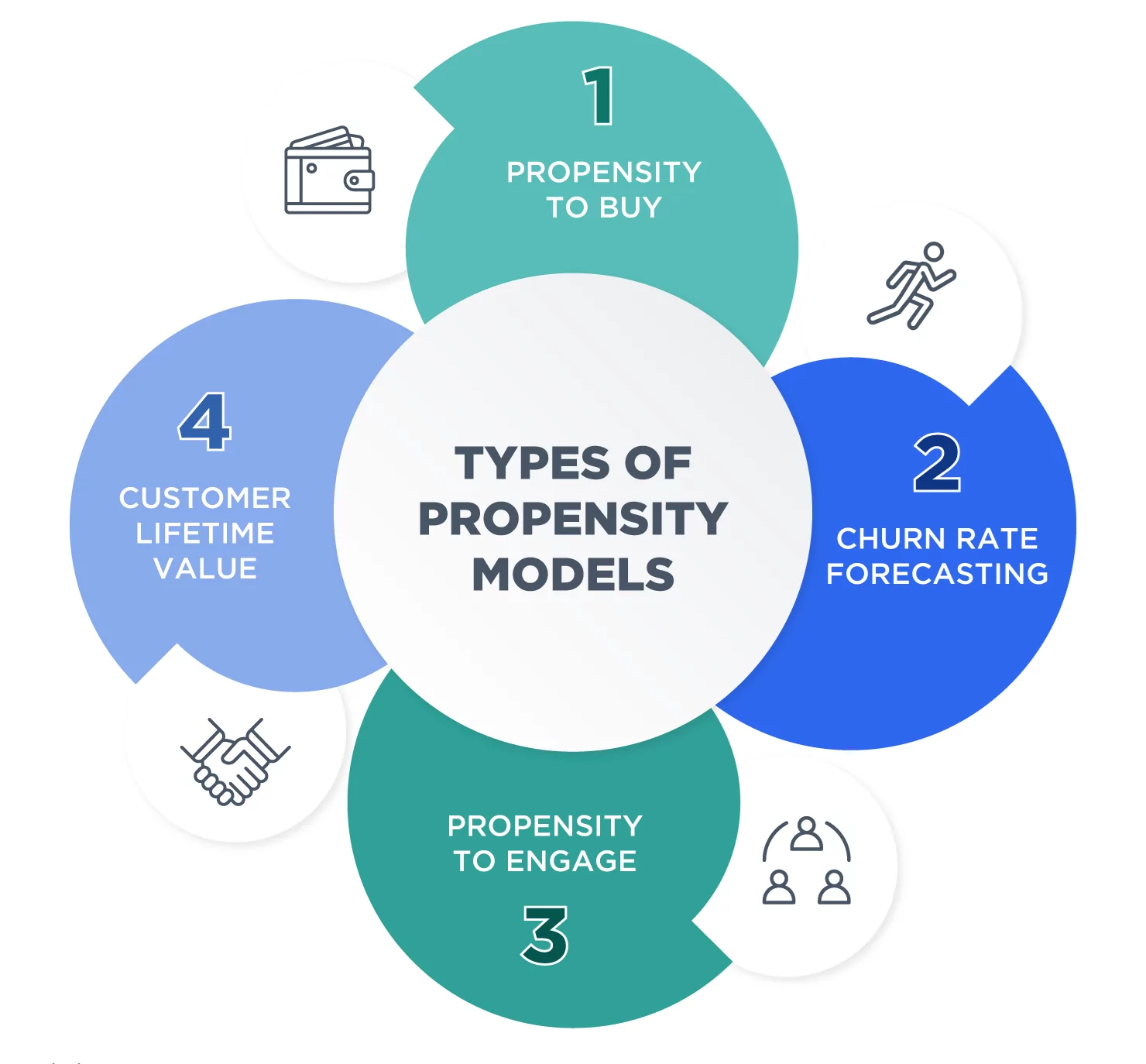
Why propensity-to-buy models are the workhorse of demand generation, and how binary classification focuses targeting.
-

Why RFM remains my favorite segmentation scheme for B2B account portfolio management, from BCG’s matrix to machine learning.